Why Rendang Was Named the World's Best Food
· 7 min read
CNN readers voted rendang the most delicious food in the world, twice. The story behind the slow-cooked beef from West Sumatra explains why.
In 2011, CNN asked its readers to pick the most delicious foods in the world. More than 35,000 people voted. The winner was not a French sauce, a Japanese sushi, or an Italian pasta. It was rendang, a slow-cooked beef from West Sumatra, Indonesia.
Six years later, CNN ran the list again. Rendang won again, and nasi goreng, another Indonesian dish, finished second. The result surprised a lot of people outside Indonesia. It did not surprise Indonesians.
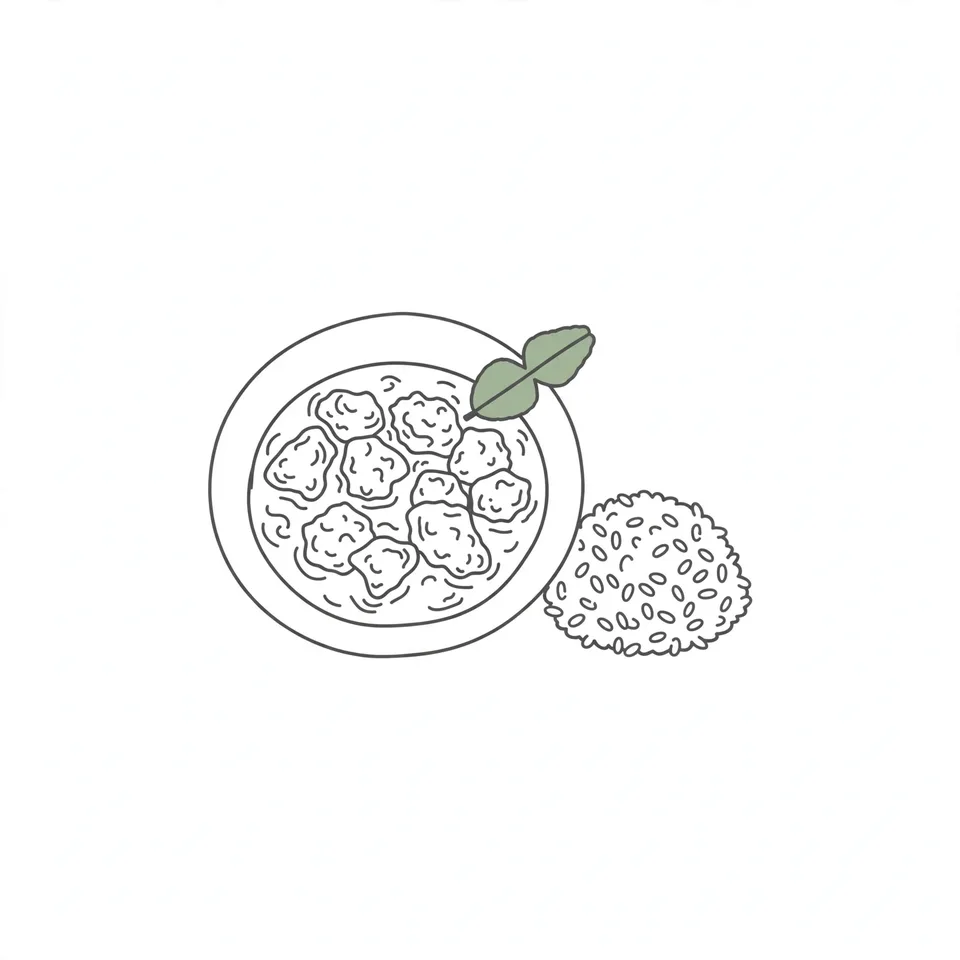
Rendang is the dish Minangkabau families cook for weddings and Eid, the dish travelers carry on long journeys, and the dish Padang restaurants serve across the country. It takes hours to make, and it tastes like it. The ranking is a reader poll, not a panel of chefs, and Indonesians voted in force. But a dish does not win twice on votes alone. It wins because the cooking behind it is serious.
The Poll That Put Rendang on the Map
CNN first published its World's 50 Best Foods list in July 2011, based on a reader vote run through Facebook. Rendang entered the list at number 11. By September that year, after the votes kept coming, it had risen to number 1.
When CNN republished the list in 2017, rendang was still at the top. The list is a popularity vote, and that matters. A dish wins this kind of poll when a lot of people love it enough to vote for it, and when the people who grew up with it show up. Indonesians showed up. But the poll also did something real: it put a dish from West Sumatra in front of readers who had never heard of it, and many of them went looking for it.
The ranking turned rendang into a national talking point in Indonesia. It also turned it into a dish the world asks about. Padang restaurants from Jakarta to Amsterdam put the CNN ranking on their menus, and rendang became the first Indonesian dish many travelers try on purpose.
A Dish Built for Long Journeys
Rendang comes from the Minangkabau people of West Sumatra, one of the largest matrilineal societies in the world. The word itself comes from "marandang," a Minang word for cooking something slowly until it dries out. The name is the recipe.
Food historians trace the dish back to the 16th century. The earliest written trace appears in a Malay manuscript from that era, and a Dutch colonial officer named Colonel Stuers wrote about Minang cooking in his diary in 1827. The exact first rendang is lost to history, which is normal for a dish this old. What is clear is why it exists.
Before refrigeration, the Minangkabau needed a way to keep meat edible for weeks. They found it by cooking beef in coconut milk and spices for hours, until the liquid dried out and the spices coated the meat. The spices have natural antimicrobial properties, and the dry, oily finish keeps the meat from spoiling. A properly dried rendang traditionally lasts three to four weeks at room temperature, which made it the perfect travel food.
That mattered because Minangkabau men traditionally leave home to seek their fortune, a practice called merantau. Rendang traveled with them, wrapped in banana leaves or packed in bamboo, across Sumatra and beyond. The dish spread the same way the people did, carried from one town to the next by migrants who cooked it wherever they settled. That is how a dish from the highlands of West Sumatra ended up on menus across Indonesia, Malaysia, Singapore, and Brunei.
| Year | What happened |
|---|---|
| 16th century | The earliest written trace of rendang appears in a Malay manuscript |
| 1827 | Colonel Stuers writes about Minang cooking in his diary |
| 2011 | CNN readers vote rendang the world's most delicious food |
| 2013 | Rendang is listed as Indonesian national intangible cultural heritage |
| 2017 | CNN republishes its list, and rendang is still number 1 |
| 2018 | Indonesia officially names rendang one of its national dishes |
Three Stages, One Dish
Rendang is not one cooking step. It is three, and each one changes the dish. The stages have their own names, and knowing them explains why so many versions of rendang taste different.
The first stage is gulai. Beef simmers in coconut milk and a spice paste for about an hour, until it becomes a wet, rich curry. The spice paste, called bumbu, is the heart of the dish: shallots, garlic, ginger, galangal, turmeric, chilies, lemongrass, kaffir lime leaves, and turmeric leaves, ground together. This stage alone is a good meal, but it is not rendang yet.
The second stage is kalio. The cooking continues for another hour or so. The liquid reduces, the sauce thickens and darkens, and the oil from the coconut milk begins to separate. Kalio is wet rendang, and many restaurants serve it under the name rendang. It is delicious, and it is the version most people outside West Sumatra know.
The third stage is rendang itself. The heat drops to its lowest, and the cook stirs every ten to fifteen minutes so nothing burns. The last of the liquid evaporates, the coconut oil fries the meat in its own spices, and the sauce turns dark and almost dry, clinging to the beef like a glaze. This is the dish that keeps for weeks, and it is the dish that won the poll.
Why It Takes So Long
A traditional rendang takes four to eight hours. Modern recipes cut that to three or four, and a pressure cooker can make the meat tender in under an hour. But tenderness is not the point. The long cook is the point.
The hours do three things. They break down tough cuts of meat, the kind that were historically available, until the beef is soft enough to pull apart. They reduce the coconut milk until it splits into oil, which fries the meat and carries the spice flavor deep into it. And they concentrate everything, so the final dish is intense in a way a quick curry cannot be.
There is a lesson in that, and it is not only about food. Rendang is a dish that refuses to be rushed. It comes from a culture that treats cooking as a slow craft, not a task to finish. The world noticed it precisely because it tastes like time, and time is the one ingredient a shortcut cannot replace.
Rendang Beyond West Sumatra
Rendang left West Sumatra long ago. Padang restaurants, recognizable by the stack of small plates in their windows, serve it in every Indonesian city and in Minangkabau communities abroad. In 2013, Indonesia listed rendang as national intangible cultural heritage. In 2018, the government officially named it one of the country's national dishes, alongside soto, nasi goreng, sate, and gado-gado. It has also been proposed for UNESCO's Intangible Cultural Heritage list, though it has not been inscribed yet.
The dish keeps traveling. Food travels the way people do, and rendang traveled with Minangkabau migrants the way instant noodles traveled from a backyard shed in Japan to the whole world. Both are simple ideas that a culture spent years perfecting, and both became part of everyday life far from home.
If you ever travel to Indonesia, put a Padang restaurant on your list. Order the rendang, eat it with steamed rice, and take your time. The country rewards travelers who come hungry, whether they are running a marathon at Borobudur or tracking dragons on Komodo. Rendang is the dish that proves Indonesian food does not need to shout to be heard. It just needs hours, good spices, and someone willing to wait.
More in Food & Travel
Latest posts
- Ikigai, the Japanese Idea of a Reason to Live
- Why Japan Has a Vending Machine on Every Corner
- The Eruption That Changed the World
- How Karaoke Conquered the World
- The World's First Bullet Train
- Why Japan's Hot Springs Are a Way of Life
- The QR Code Was Invented in Japan
- What It Really Costs to Live in Tokyo
- Why Japan's Convenience Stores Are a Destination
- Walang Kekek and the Woman Behind Indonesia's Keroncong
- No Na, Indonesia's First Global Girl Group