Yozakura, Japan's Cherry Blossoms After Dark
· 9 min read
Yozakura is cherry blossom viewing after dark, when parks, temples and castle grounds light the trees and the petals glow against the night sky. Here is what the word means, where to see it in Tokyo, Kyoto and Hirosaki, and how to plan a night visit.
Yozakura is what happens to cherry blossom season after sunset. The word means night cherry blossoms, and it is the same flower viewing you do in daylight, except the trees are lit from below and the pale petals glow against a black sky instead of a blue one.
It is not a separate season, and in most places it needs no separate ticket. The same trees that draw picnic crowds at noon are lit for a few hours in the evening, and the people who come after dark tend to walk slower and talk softer.
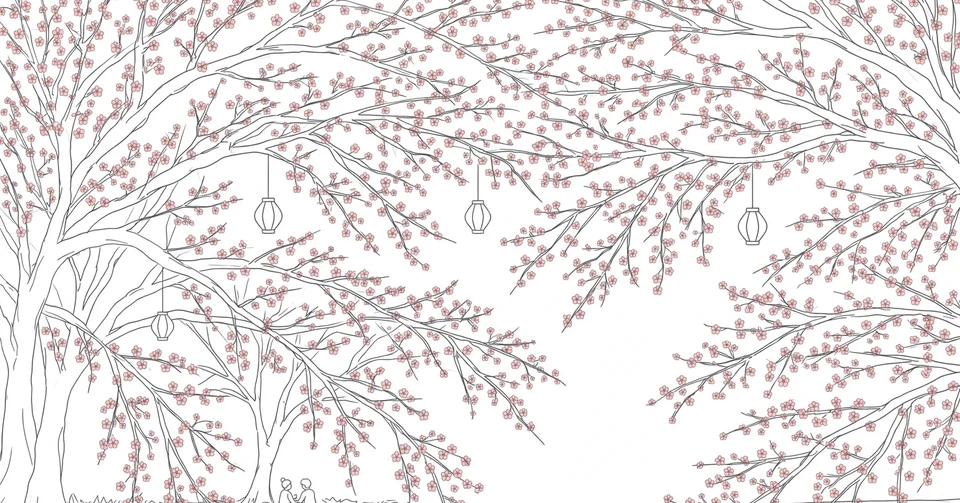
If you give the blossoms only one evening of your trip, I would give them this one. Daytime hanami is cheerful and social, but yozakura is the version people still describe months later, because the light turns a familiar park into something that feels half real.
What yozakura means
The word is built from two parts. Yo means night, and zakura is the word for cherry blossoms, its first sound softened the way Japanese often softens a word when it joins another. Put together, yozakura simply means cherry blossoms at night.
Daytime viewing has its own name, hanami, and it has been part of Japanese spring for centuries. Yozakura is the same tradition continued past dark rather than a different custom. As the bayu.id guide to Japan's cherry blossoms and when to see them puts it, the evenings have their own name, and some parks and temples light the trees after dark so the petals glow against the black sky.
That small change, darkness plus light, is the whole point. A cherry tree in daylight is soft and bright, almost casual. The same tree lit at night becomes a kind of lantern itself, and people behave around it the way they behave around anything fragile and glowing. They stop. They lower their voices. They stay a little longer than they planned.
For many Japanese, yozakura is not even a special trip. It is the walk home from the station taken slowly, a detour through the park after dinner, a reason to leave the house once more before bed. The blossom season only lasts about a week in each city, and night viewing doubles the hours in which that week can be enjoyed.
How the trees are lit
There is no single way to light a blossom, and part of the pleasure of yozakura is seeing how each place solves the problem. Older parks and temple grounds often hang paper lanterns along the paths and under the branches, so the light is warm, low and uneven. The petals nearest a lantern look almost pink gold, while the ones above fade into shadow.
Other places use ground lights aimed up into the canopy. This is the more dramatic method, and castles and large parks favour it, because a whole row of trees can be turned into a single bright wall. Modern city spots add gentler illumination along rivers and shopping streets, closer to the winter light displays Japan is famous for, but tuned softer for the short season.
The lighting also changes the colour of the blossom itself. The common Somei Yoshino flowers are nearly white in flat daylight, with the faintest blush of pink at the centre. Under lantern light they read as properly pink, and against a black sky they can look almost luminous. It is the same flower. Only the light has changed its mind about it.
Late in the season, yozakura gains one more trick. As the petals begin to fall, they drift down through the beams of light like slow snow, catching the glow for a second before they land. Daytime crowds often go home once the peak has passed, which means the falling petal nights can be the quietest and, to my eye, the most beautiful of the whole season.
Yozakura in Tokyo
Tokyo has more famous night spots than any other city, and two of them show the range of yozakura well.
Chidorigafuchi, the moat of the former Edo Castle beside Kitanomaru Park, is the grand version. Hundreds of cherry trees line the water, boats drift below them during the day, and in the evening the trees are lit so their reflections double the effect on the moat. Picnics are not allowed here, so the mood is a slow procession rather than a party. In 2026 the illumination ran from March 26 to April 6, from 18:00 to 21:00, according to japan-guide.com.
Meguro River in Nakameguro is the intimate version. About 800 cherry trees arch over a narrow concrete canal for several hundred metres, and during the local sakura festival the trees are lit in the evenings, with lanterns and blossom reflections filling the water. In 2026 the lights ran from the start of blooming until March 31, from 17:00 to 20:00, an earlier finish than most people expect.
Ueno Park offers a third style, with more than a thousand trees and paper lanterns strung along the main street toward the National Museum. It is louder and more festive than the other two, proof that yozakura can hold a crowd as easily as it holds a quiet couple.
Beyond the famous names, almost every Tokyo neighbourhood has a modest local version, a riverside path, a shrine ground or a schoolyard row of trees lit by a few lanterns for a few evenings. These small yozakura spots rarely appear in guides, and they are often the most relaxed places of all, because the audience is the neighbourhood itself.
Kyoto and Hirosaki after dark
In Kyoto, the centre of night viewing is Maruyama Park, next to Yasaka Shrine in the old Higashiyama district. The park is Kyoto's most popular place for blossom parties, and its centrepiece is a single large weeping cherry tree that is lit up in the evenings until it seems to pour light instead of branches. Around it, food stands and temporary restaurants set out tables under the trees, so this is one of the few famous spots where yozakura still includes dinner.
In 2026 the park's illumination ran from March 24 to April 8, from 18:00 to 22:00, the longest evening window of the spots in this article, which suits Kyoto's slower pace.
Hirosaki, far north in Aomori, is the connoisseur's answer. Hirosaki Park holds more than 2,500 cherry trees around a castle keep, with blossom tunnels, picnic lawns and moats that fill with fallen petals until the water looks pink. The trees are illuminated in the evenings during the annual festival, which japan-guide.com lists as running from April 23 to May 5, when the blossoms are usually in bloom. Because the north blooms weeks after Tokyo, Hirosaki is also a second chance for anyone who missed the capital's season.
How the mood changes at night
The practical difference is simple. Daytime hanami belongs to groups, picnic sheets and long afternoons. Yozakura belongs to the stroll. Office workers stop on the way home, couples walk the river paths, and photographers outnumber picnickers at most venues. The source guide for this article notes that night viewing is usually less crowded than the daytime peak, and that matches what you feel on the ground.
Food does not disappear, it just changes form. At Maruyama Park the stalls and open air tables keep the picnic alive after dark. At Meguro River the cafes and bars along the canal take over instead. At Chidorigafuchi there is no eating under the trees at all, only walking, which many people quietly prefer.
My own feeling is that the blossoms suit the night. A flower that lasts about a week is a reminder that beautiful things end, and that idea lands harder in the dark, with the petals lit like something already half remembered. Yozakura does not fight the shortness of the season. It leans into it. The mood is social, but softly social, and that softness is what yozakura really offers.
Practical notes before you go
Dress warmer than you think you need to. Spring days in Tokyo and Kyoto can feel mild, but the temperature drops quickly after sunset, and you will be standing still under trees rather than walking between sights. A layer you did not need at noon will earn its place by eight in the evening.
Respect the clock. Illuminations end at set hours, and the hours are shorter than visitors assume, often 20:00 or 21:00 rather than late night. Temples and parks return to darkness on schedule, and staff will guide you out calmly and firmly. Arriving at dusk is the sweet spot, because you see the trees in the last blue light and then watch the lanterns take over.
Go on a weekday if you can. Weekend evenings at the famous spots can still draw serious crowds, while a Tuesday night at the same venue feels like a private viewing. Weekday yozakura is calmer, the paths are emptier, and nobody minds if you stand in front of one tree for ten full minutes.
Timing the bloom matters as much at night as at noon. The trees lit on any given evening are the same trees tracked by the forecasts, moving from first bloom to full bloom in about a week, so the planning in the main cherry blossom Japan season guide applies to yozakura without any changes. A tree at full bloom in daylight is a tree at full bloom after dark.
If your trip falls outside spring entirely, the habit of evening viewing does not vanish from Japanese parks. It changes colour. The maples get their own season of attention later in the year, and the autumn leaves guide covers where that crimson wave travels.
Spring in Japan is generous during the day and slightly secretive at night. Yozakura asks little of you, only an evening, a warm layer and enough patience to stand still while the lights come on. In return it gives you the same blossoms everyone else saw, made quieter, pinker and somehow more honest by the dark.
More in Food & Travel
- Dashi, the Quiet Stock Under Almost Everything Japan Cooks
- Ayu, the Sweetfish That Rules Japan's Clear Rivers
- Sake Kasu, the Sake Lees Japan Cooks With Instead of Throwing Away
- Kopi Tubruk and the Indonesian Way to Drink Coffee
- Subak and the Rice Terraces of Bali
- Nara Deer and the Sacred Animals of the Old Capital
Latest posts
- Fuji Ko, the Pilgrim Societies That Climbed Mount Fuji Together
- Gensen Kakenagashi, the Onsen Water That Never Circles Back
- Shiko, the Leg Stamp That Starts Every Sumo Day
- Semar, the God Who Chose to Work as a Servant
- Kyushoku and the Japanese School Lunch
- Sumadori, Japan's Smart Drinking for People Who Do Not Drink
- Bureiko, the Drinking Party Where Rank Is Left at the Door
- Kagami Biraki, Japan's Ceremony of Breaking Things Open
- Capsule Hotels and Sleeping in a Pod in Japan
- Hiroshima and the City That Chose Peace
- Shinnenkai, Japan's New Year Parties That Start the Year Over
- Punakawan, the Clown Servants Who Steal Every Wayang Show
- Kashikiri, the Private Onsen Bath You Book by the Hour
- Nomi-Hara, When After-Work Drinks in Japan Turn Into Harassment
- Shio Koji, Japan's Salted Ferment That Seasons Everything