Numazu Deep Sea Aquarium and the Creatures of Suruga Bay
· 10 min read
The Numazu Deep Sea Aquarium is the world's first aquarium devoted to the deep sea, with frozen coelacanths, glowing fish, and creatures pulled from Suruga Bay, Japan's deepest bay.
Most aquariums show you the bright, shallow sea. The Numazu Deep Sea Aquarium turns that idea upside down. It is the only aquarium in the world devoted entirely to the deep sea, and it sits in a small port town in Shizuoka, next to a fish market where the morning catch is still being unloaded. There are no dolphins here, no penguins, no sharks circling a big blue tank for the crowd. Instead there are fish that glow in the dark, crabs the size of dinner plates, and a fish that was thought to be extinct for 66 million years.
The aquarium stands inside a waterfront complex called Minato Hachijusan Banchi, right at Numazu Port. Step outside and you are among seafood restaurants, dried fish shops, and the fish market itself. The Numazu Deep Sea Aquarium is not a grand building. It is compact, two floors, and a careful visitor can see everything in about an hour. That small scale is part of the charm. Nothing here is built to impress you with size. It is built to show you a world that almost nobody ever sees.
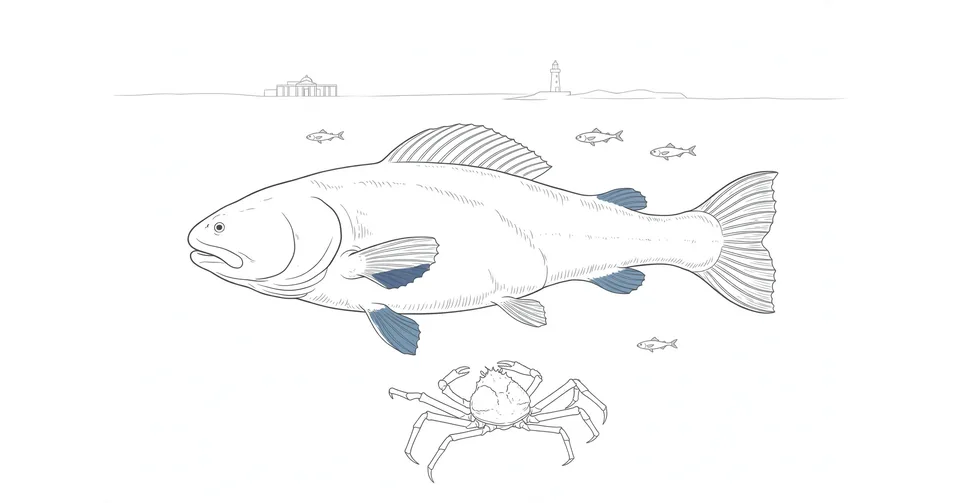
The idea for the place came from the bay outside its doors. Suruga Bay, known in Japanese as Suruga-wan, is the deepest bay in Japan, dropping to 2,500 metres at its lowest point, and it is home to around 1,000 species of fish. For generations, fishermen working those waters have pulled up creatures that look like they belong on another planet. In December 2011, a local fishery company called Sasei Suisan opened the Numazu Deep Sea Aquarium to show the public what the bay hides. It was the first aquarium in the world with the deep sea as its whole theme, and it still is the only one.
That matters, because deep sea animals are among the hardest creatures on earth to keep alive. They live under crushing pressure, in cold water, in total darkness, and most die quickly when they are brought to the surface. The Numazu Deep Sea Aquarium works with local fishermen, so its tanks change with what the bay delivers. Something rare may be on display one week and gone the next. That is a good reason to check the official website before you go. You are not looking at a fixed collection. You are looking at whatever the deep sea offered up lately.
What the Numazu Deep Sea Aquarium Shows
The ground floor of the Numazu Deep Sea Aquarium is where most of the living animals are. The big Suruga Bay tank holds fish caught in the bay itself, and around it are smaller tanks for the creatures that have made the aquarium famous. The aquarium always displays more than 100 species of deep sea creatures that live below 200 metres. There are giant spider crabs, their legs spread wide enough to cover a table, and giant isopods, the deep sea cousins of the woodlice you find under stones in a garden, grown to the size of a shoe. A flapjack octopus, called mendako in Japanese, appears whenever fishermen bring one in, drifting through the water like a small umbrella. Frilled shark and megamouth shark specimens are on view too, a reminder that the deep sea still holds animals science barely understands.
The most photographed corner is the Deep Sea Planetarium, a dark room filled with lanterneye fish. The fish are called hikari kinmedai in Japanese, and each one carries a light organ beneath its eye. In the black water they glow like drifting fireflies, and children tend to stop in their tracks when they see it. There is also a touch corner, where visitors can handle some of the hardier deep sea creatures under staff supervision. The Numazu Deep Sea Aquarium is not a place that keeps you behind glass at arm's length. It invites you to look closely, and to touch, where that is safe for the animals.
The Coelacanth Museum Upstairs
Upstairs, on the second floor of the Numazu Deep Sea Aquarium, is the reason many people make the trip. The Coelacanth Museum holds five coelacanths, and two of them are frozen solid, kept behind thick glass in a freezer built for the purpose. The Numazu Deep Sea Aquarium is the only place in the world where frozen coelacanth specimens are on public display. The other three are taxidermy mounts, the largest about 1.8 metres long, and you can walk a full circle around the frozen pair to study the lobed fins and the thick, armour-like scales.
The coelacanth is often called a living fossil, and the name is fair. It was thought to have died out with the dinosaurs, until a fisherman pulled one from the sea off South Africa in 1938. The fish had been swimming in the deep for around 400 million years, almost unchanged, while whole worlds rose and fell above it. Looking at one, frozen and still, is a strange experience. It feels less like visiting an aquarium and more like meeting a survivor. There is a quiet lesson in that for anyone in a hurry. The deep sea does not rush, and the things that last longest are often the things that change slowest.
Suruga Bay, the Deepest Bay in Japan
Nothing about the Numazu Deep Sea Aquarium makes sense without the bay. Suruga Bay reaches 2,500 metres at its deepest point, and the cold, dark water supports about 1,000 species of fish. The bay is the reason Numazu has a fishing port at all, and the reason the port's restaurants can serve fish that few other places in Japan can offer. The Numazu Deep Sea Aquarium exists because the bay is there, and the bay is why the aquarium's tanks are never quite the same from one month to the next.
On a clear day, the same water gives you a view of Mount Fuji from the port. The mountain rises across the bay, and the sight of Fuji above a working fishing harbour is one of the quiet pleasures of Numazu. If you want to plan your Fuji viewing properly, the Fuji Five Lakes are the classic place to start, and they are an easy trip from here. But the view from Numazu Port costs nothing, and it comes with the smell of the sea and the sound of the market.
Eating at Numazu Port After the Aquarium
When you leave the aquarium, lunch is a few steps away. The Minato 83 complex is full of seafood restaurants, and several of them serve deep sea fish caught in the bay, the same kinds of creatures you have just seen in the tanks. Show your aquarium ticket at participating shops and you get 10 percent off. It is a small discount, but it is a nice touch, and it keeps visitors in the complex instead of scattering them. The Numazu Deep Sea Aquarium is part of the port, not separate from it, and the ticket discount is a reminder of that.
Eating a deep sea fish after staring at one in a tank at the Numazu Deep Sea Aquarium is a strange feeling, and it is worth sitting with for a moment. There is nothing wrong with it. The fish on the plate were caught to be eaten, by fishermen whose families have worked this bay for generations, and the aquarium exists to show people what lives down there, not to hide it. Still, I think the right way to enjoy it is to pay attention, to taste what is in front of you instead of treating it as a novelty. Japanese kaiseki cuisine is built on exactly that idea, that a meal should follow the season and the place, and a bowl of fresh fish at Numazu Port is kaiseki thinking without the ceremony.
Planning Your Visit to the Numazu Deep Sea Aquarium
The aquarium is usually open from 10:00 to 18:00, with last entry at 17:30, and it opens earlier on weekends and public holidays. Hours can change in the summer and during busy seasons, so check the official website before you go. Admission for adults and high school students is 2,200 yen, which is the price since a revision in August 2025. Older travel guides still list 1,800 yen, so do not be surprised if the number you remember is out of date. Children in elementary and junior high school pay 1,200 yen, and preschool children aged four and over pay 600 yen. Visitors aged 65 and over get a 200 yen discount with proof of age. The Numazu Deep Sea Aquarium is small enough that an hour is plenty, but the price is fair for something you cannot see anywhere else.
Getting there is simple. From the south exit of JR Numazu Station, take a city bus towards Senbonminato and get off at the aquarium stop, a ride of about 15 minutes. A taxi takes about 10 minutes. The Numazu Deep Sea Aquarium has no dedicated parking, so the bus is the easy choice. Two extra attractions sit in the same complex and charge separately. THE DEEP CRUISE is a virtual reality ride that takes you down into the deep sea, and Deep Sea World is a laser shooting ride for children over 110 centimetres tall. Both are fun, but neither is the reason to come. The fish are.
Before you go, check the official website for the latest hours, since exhibits change with what the bay delivers. NAVITIME keeps an English language guide to the aquarium with access details and prices, and Japan for Kids has a family focused guide that is useful if you are visiting with children. The Numazu Deep Sea Aquarium rewards a little planning, and a little patience, more than most aquariums do.
The Numazu Deep Sea Aquarium will not impress you the way a big city aquarium does. There is no tunnel of sharks, no show, no spectacle. What it offers instead is stranger and quieter. A fish that outlived the dinosaurs, a crab the size of a table, a dark room full of glowing eyes, and a bay so deep that science is still learning what lives in it. That is enough. It is more than enough, and it is the reason a small aquarium in a port town in Shizuoka deserves a place on any trip to Japan.
If you are already in Shizuoka, the trip is an easy one. Come for the coelacanth, stay for the port, and eat lunch where the fishermen eat. The Numazu Deep Sea Aquarium is a reminder that the most interesting places in Japan are not always the famous ones. Sometimes they are a small building next to a fish market, showing you a world two and a half kilometres straight down.
More in Food & Travel
Latest posts
- The Dalang, the Single Voice Behind Every Wayang Puppet
- Yadnya Kasada, the Festival That Feeds the Crater of Mount Bromo
- The 8050 Problem, When Retired Parents Still Carry Their Adult Children
- Moai, Okinawa's Lifelong Circles of Friends
- Anak Krakatau, the Child of Krakatoa That Keeps Growing
- Otohime, the Small Sound That Protects Privacy in Japanese Toilets
- Nomikai, the After-Work Drinks That Are Part of the Job in Japan
- Coelacanth and the Living Fossil of the Deep Sea
- Uchiura and the Quiet Fishing Village Behind Love Live Sunshine
- Love Live Sunshine and How Anime Changed Numazu
- Numazu Himono and the Art of Dried Fish
- Numazu Imperial Villa and Japan's Seaside Imperial Retreat
- Numazu Port and the Freshest Seafood in Shizuoka
- Disaster Vending Machines in Japan That Give Their Drinks Away
- The E33G Remote Worker Visa and How to Legally Work from Bali