Studio Ghibli, the Films That Raised a Generation
· 9 min read
Studio Ghibli is the most loved animation studio in the world, and its films still feel new decades later. This is how a small studio in Tokyo did it.
Ask almost anyone who grew up with animation what their favourite studio is, and the same name comes up again and again: Studio Ghibli. The small Tokyo studio has made some of the most loved films ever drawn, and its characters live in the heads of people who have never set foot in Japan.
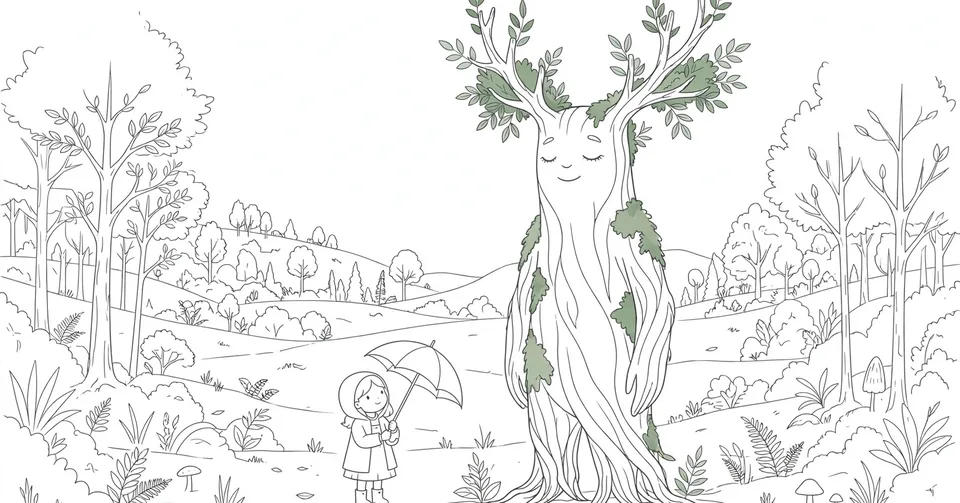
Studio Ghibli did not become the most loved animation studio in the world by chasing trends. It made films slowly, by hand, about ordinary girls, quiet forests and food cooked with care, and it trusted that audiences would come to it. They did, in every country and in every language, for forty years.
This is the story of how Studio Ghibli started, why its films feel different from everything else, and why a new generation keeps discovering them.
A studio founded on a deadline
Studio Ghibli was founded in June 1985 by director Hayao Miyazaki, director Isao Takahata and producer Toshio Suzuki. The three had just made Nausicaa of the Valley of the Wind, a 1984 film about a princess trying to save a poisoned world, and its success gave them the chance to build a studio of their own.
Miyazaki chose the name Ghibli from an Italian word for a hot desert wind, borrowed from Libyan Arabic. He wanted the studio to blow a new wind through Japanese animation, and the name was a promise as much as a label.
The studio's first film, Castle in the Sky, arrived in 1986, a sky pirate adventure about a floating island and a girl with a glowing crystal. It set the pattern for what Studio Ghibli would do best: big adventure built on small human feelings, drawn with enormous care. Kiki's Delivery Service followed in 1989, and Grave of the Fireflies, Takahata's devastating film about two children in wartime Japan, came out in 1988.
Studio Ghibli was never a big studio. At its height it employed a few hundred people, a tiny number next to the animation giants in America. That small size was part of the point. The directors knew every animator, the films took years, and nothing was rushed to meet a release calendar.
Totoro, the mascot nobody planned
In 1988, Studio Ghibli released My Neighbor Totoro, a gentle film about two sisters who move to the countryside and meet a huge grey forest spirit. Totoro does not talk much. He naps, he catches raindrops on a leaf, and he waits at a bus stop with the girls in the rain. Nothing much happens, and that is exactly why people love it.
Totoro became the face of Studio Ghibli almost by accident. The film was first released as a double feature with Grave of the Fireflies, and it was the plush Totoro toys, not the box office, that made the studio real money and kept it alive through the early years. Today the big grey spirit is the studio logo, and he appears on everything from lunch boxes to the roof of the Ghibli Museum.
The Catbus, Totoro's grinning twelve-legged friend, is another reason the film stays in people's heads. Japan's love of cats runs deep, from the cats of Tashirojima, the island where cats outnumber people, to the Catbus grinning through the night forest. Studio Ghibli understood that a strange idea, drawn with total sincerity, becomes a memory instead of a joke.
Spirited Away and the Oscar that changed everything
Spirited Away, released in 2001, is the film that turned Studio Ghibli from a beloved Japanese studio into a world studio. Chihiro, a sulky ten-year-old, wanders into a bathhouse for spirits and has to work there to free her parents, who have been turned into pigs. It is a fairy tale about growing up, and it is full of images that lodge in the mind: the faceless spirit No-Face, the boiler man Kamaji with his six arms, a train gliding across a flooded plain.
The film was the highest-grossing film in Japanese history for nearly twenty years, until Demon Slayer took the record in 2020. Then, in 2003, it won the Academy Award for Best Animated Feature, the first non-English-language film ever to win it. An animated film from Japan, hand-drawn and full of Shinto spirits, had beaten Hollywood at its own ceremony.
Princess Mononoke, from 1997, had already shown what Studio Ghibli could do at full scale: a war between a forest god and an ironworks town, with no simple villain on either side. Howl's Moving Castle followed in 2004, Ponyo in 2008, and in 2023 Miyazaki came out of retirement once more for The Boy and the Heron, which won him a second Oscar in 2024.
Five films to start with
| Year | Film | Why start here |
|---|---|---|
| 1988 | My Neighbor Totoro | The gentlest doorway into Studio Ghibli, and the studio mascot |
| 1989 | Kiki's Delivery Service | A young witch, a seaside town, and the most comforting film ever made about work |
| 1997 | Princess Mononoke | The epic one, a forest war with no simple villain |
| 2001 | Spirited Away | The masterpiece, and the one that won the Oscar |
| 2023 | The Boy and the Heron | Miyazaki's latest, strange and personal, and his second Oscar winner |
If you have never seen a Studio Ghibli film, start with Totoro or Kiki. They are the warmest way in. Save Princess Mononoke and Spirited Away for a quiet evening, when you can give them your full attention.
What makes a Studio Ghibli film feel like Studio Ghibli
The first thing you notice is the drawing. Studio Ghibli films are hand-drawn, frame by frame, and the backgrounds are painted like watercolours. Grass moves in the wind, clouds gather slowly, and a pot of soup steams on a stove. The studio spent as much care on a kitchen as other studios spent on a battle scene.
The second thing is the heroines. Studio Ghibli built its films around girls and young women who solve problems by working, listening and refusing to give up: Chihiro scrubbing floors in the bathhouse, Kiki flying deliveries in the rain, Sophie breaking a curse by sheer stubbornness. They are not chosen ones with secret powers. They are ordinary people who keep going.
The third thing is the absence of villains. Lady Eboshi in Princess Mononoke runs an ironworks that is destroying the forest, but she also shelters lepers and former prostitutes. Yubaba, the witch who runs the bathhouse in Spirited Away, is greedy and terrifying, and also a mother who dotes on her giant baby. Studio Ghibli gives its antagonists reasons, and that makes its films feel grown up even when children are watching.
The fourth thing is the food. A bowl of ramen in Ponyo, a fried egg on toast in Howl's Moving Castle, the little cakes in Kiki's Delivery Service: Studio Ghibli draws meals so lovingly that fans try to recreate them at home. Food in these films is never decoration. It is how characters show care for each other.
The fifth thing is the quiet. Miyazaki called it ma, the empty space between events. A girl waiting for a bus. A train crossing water. A wind moving through grass. Most animation fills every second with jokes or action, but Studio Ghibli trusts silence, and the silence is what makes the big moments land. That attention to small daily moments is close to ikigai, the Japanese idea of a reason to live, which is also built from small rituals repeated with care.
The museum, the park, and the second Oscar
The Ghibli Museum in Mitaka, Tokyo, opened in 2001, is exactly what you would expect from the studio. Miyazaki designed it himself: a maze of staircases, a rooftop robot soldier from Castle in the Sky, a giant Catbus for children to climb on, and a small cinema that shows short films you cannot see anywhere else. Photography is not allowed inside, which feels fitting for a place built to be experienced rather than collected.
Ghibli Park opened in Aichi Prefecture in 2022, on the grounds of a former world expo site. It is not a theme park with rides. It is a set of recreated places: Satsuki and Mei's house from Totoro, the Dondoko Forest, a full-size Catbus. You walk through the films instead of watching them.
Then, in 2023, Miyazaki released The Boy and the Heron, a strange and personal film about a boy, a heron and a world that is falling apart. The studio released it with almost no marketing, no trailer and no stills, trusting the name alone to bring audiences in. It worked. The film won the Academy Award for Best Animated Feature in 2024, Miyazaki's second Oscar, more than twenty years after the first.
Why a new generation keeps finding Studio Ghibli
Streaming gave Studio Ghibli a second life. In 2020 the films arrived on Netflix outside the United States and Japan, and a generation that had never owned a DVD could watch them all in a weekend. Like karaoke, Studio Ghibli is one of the Japanese exports the world made its own, and new fans arrive every year.
Part of the reason is simple: the films are about things that do not go out of date. Growing up, losing someone, leaving home, learning to work, learning to be kind to people who scare you. A child watching Totoro today feels the same things a child felt in 1988, because the feelings are not tied to a moment. They are tied to being young.
The other reason is the slowness. We live in a time when most entertainment is made to be finished quickly and replaced. Studio Ghibli films ask you to sit still, to watch grass move and water boil, and they reward the patience. That slowness felt old-fashioned in the 1990s, and it feels radical now.
Studio Ghibli never set out to raise a generation. It set out to make good films, by hand, about people who try their best. Forty years later, the films are still there, still working, and still finding new viewers who need them. That is a better legacy than any box office record.
More in Music & Entertainment
Latest posts
- Numazu Deep Sea Aquarium and the Creatures of Suruga Bay
- Numazu Himono and the Art of Dried Fish
- Numazu Imperial Villa and Japan's Seaside Imperial Retreat
- Numazu Port and the Freshest Seafood in Shizuoka
- Disaster Vending Machines in Japan That Give Their Drinks Away
- The E33G Remote Worker Visa and How to Legally Work from Bali
- Wabi-Sabi and the Japanese Beauty of Imperfect Things
- Bullet Climbing Mount Fuji, the Overnight Ascent Japan Is Trying to Stop
- Women Only Train Cars in Japan and the Problem They Answer
- Climbing Mount Semeru, Java's Highest Volcano
- Maneki Neko and Japan's Beckoning Lucky Cat
- Tamago Sando and Japan's Konbini Egg Sandwich
- The Baduy People and Life Without Modern Technology
- The Salaryman and Japan's Loyal Office Culture
- Onsen Tattoo Rules in Japan and How They Are Slowly Changing