Visiting the Ghibli Museum and Ghibli Park in Japan
· 9 min read
Visiting the Ghibli Museum in Tokyo and Ghibli Park in Aichi takes planning, because both sell timed tickets in advance and both sell out. Here is how tickets work, what is inside each place, and which one to choose.
The Ghibli Museum is the one place in Japan where the films of Studio Ghibli become a building you can walk through. It stands in Mitaka, in western Tokyo, inside the green of Inokashira Park, and it is small on purpose. There is no ticket counter at the door and no way to buy your way in on the day. Every visit is booked in advance for one date and one entry time, and the tickets routinely sell out within minutes of going on sale.
Ghibli Park, in Aichi Prefecture near Nagoya, is the bigger sibling of the Ghibli Museum. It opened in 2022 on the grounds of a former world expo site, and it works the same way. Tickets are timed, bought in advance, and there is no walk-up entry. The two places are often confused, and they are not interchangeable. One is a small museum you can see in about three hours. The other is spread across a large public park and takes a full day.
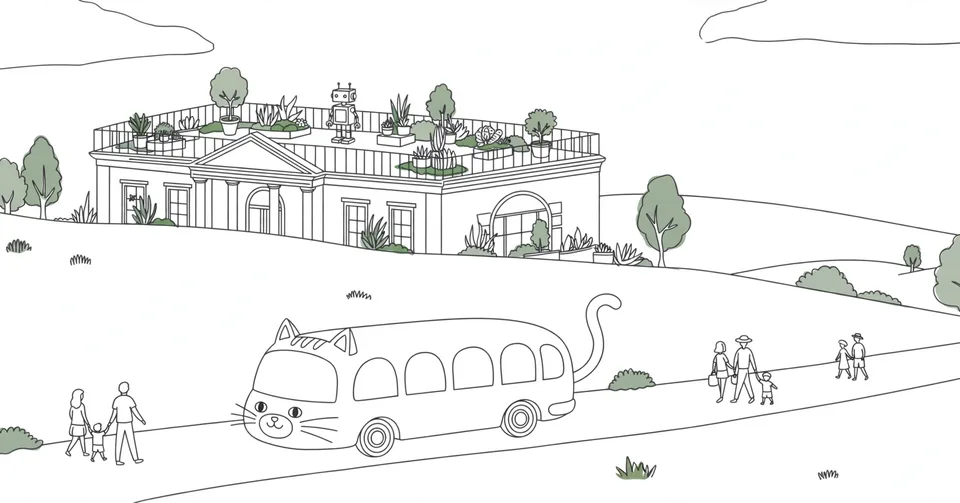
This guide covers both, because most travellers plan them together. It explains how tickets for the Ghibli Museum actually work, what is inside the museum, how the park and its passes differ, and how to choose between them when you cannot do both.
The Ghibli Museum in Mitaka
The Ghibli Museum opened in 2001, and it was built the way a Ghibli film is made, by hand and with odd details everywhere. Hayao Miyazaki was closely involved in the design. The building has hand-made stained glass, winding staircases that lead nowhere, and a rooftop garden with a robot from Laputa: Castle in the Sky standing guard over the trees. It is deliberately small. The Ghibli Museum holds only a few hundred visitors at a time, which is why the tickets are so hard to get and why a visit feels calm rather than crowded.
The museum sits on the edge of Inokashira Park, a large green park that locals use for walking, boating, and cherry blossom picnics in spring. The usual route is the JR Chuo Line rapid service from Shinjuku to Mitaka, about 20 minutes, then a community bus or a walk of about 15 minutes through the park to the museum entrance. If Tokyo is your base, the museum is an easy half day, and the walk through Inokashira Park is part of the visit.
How to buy Ghibli Museum tickets
Getting a Ghibli Museum ticket is the whole game, and it has one rule: the 10th of the month, at 10am Japan time. Tickets for visits during the following month go on sale at that moment. December tickets go on sale on 10 November, January tickets on 10 December, and so on. Each ticket is for one date and one entry time, and the museum sells nothing at the door. The museum's own ticket page says it plainly: all admission is by advance reservation only, and no reservation or ticket purchase can be made at the museum. A detailed 2026 guide to the museum's tickets walks through the monthly release and the new QR-code system.
From outside Japan, there are two official ways to buy a Ghibli Museum ticket. The first is Lawson Ticket's English site, linked from the museum's English ticket page. Lawson is one of Japan's big convenience-store chains, and its ticket service holds the exclusive booking rights. The second is a bus tour run by JTB Sunrise Tours, a day tour from Tokyo that includes museum entry, lunch, and a second museum. Both routes are official. Resold tickets are banned, and the museum says a resold ticket will not get you in.
Create your Lawson Ticket account a few days before the 10th, and log in before 10am Japan time on the day. Tickets cannot be changed or refunded, so check your dates before you pay. From November 2026 admission, the museum uses a new QR-code ticket system, and Lawson adds a system fee of ¥110 per ticket.
| Age | Ticket price |
|---|---|
| 19 and over | ¥1,000 |
| 13 to 18 | ¥700 |
| 7 to 12 | ¥400 |
| 4 to 6 | ¥100 |
| 3 and under | Free |
The museum opens from 10am to 6pm, with entry times on the hour from 10am to 4pm. It closes every Tuesday, plus other days that change each year, including a maintenance closure from 4 to 18 November 2026. Check the museum calendar before you plan around a Tuesday, or around a holiday.
What is inside the Ghibli Museum
The rooftop robot is the image most visitors remember. It is the robot soldier from Laputa: Castle in the Sky, standing in the rooftop garden among real plants, and it is one of the few places in the museum where photography is welcome. Inside the Ghibli Museum, photography is not allowed, which is a deliberate choice. The museum wants visitors to look at the exhibits rather than at their phones, and the rule is part of the visit.
The Catbus is the other stop every visitor makes. The big cat-shaped bus from My Neighbor Totoro sits on the ground floor, and children can climb inside it. Adults have to be content with looking, which is a small injustice the museum has never fixed. It is the kind of detail that would fit right in on the island where cats outnumber people. The Ghibli Museum cinema, the Saturn Theatre, shows short films that are made for the museum and shown nowhere else. The film on screen changes every few months, so even a repeat visit can show something new.
Upstairs, the exhibits show how animation is made, with hand-drawn cells, zoetropes, and rooms that explain the work behind the films. The museum shop, Mamma Aiuto, sells books and goods that are hard to find elsewhere, and the Straw Hat Cafe serves light meals with a view of the park.
Ghibli Park in Aichi
Ghibli Park is a different scale of place. It sits inside Aichi Earth Expo Memorial Park, known locally as Moricoro Park, in Nagakute, about 50 minutes east of central Nagoya by subway and the Linimo line. The nearest station is Aichikyuhaku-kinen-koen Station, and the park is spread out across the grounds of the old expo site, so getting between areas means walking through a public park, with lawns, woods, and a lake between the Ghibli buildings.
The park has five areas. Ghibli's Grand Warehouse is the indoor heart of the park, a large hall packed with exhibits, a Catbus, cafes, and shops. Hill of Youth holds the World Emporium, the antique shop from Whisper of the Heart. Dondoko Forest holds Satsuki and Mei's house from My Neighbor Totoro, rebuilt at full scale with the details of the film inside. Mononoke Village is an outdoor area inspired by Princess Mononoke, and the Valley of Witches holds Howl's Castle and the House of Witches from Howl's Moving Castle and Kiki's Delivery Service.
A visit takes a full day, and that is not an exaggeration. The areas are far apart, the Grand Warehouse alone can take two or three hours, and the park opens at 10am on weekdays and 9am on weekends, and closes at 5pm either way. It closes on Tuesdays, except during school holidays.
How to buy Ghibli Park tickets
Ghibli Park tickets work like the Ghibli Museum's, with two differences that matter: the time and the lead time. Tickets go on sale at 2pm Japan time on the 10th of each month, for dates two months ahead. January tickets go on sale on 10 November, February tickets on 10 December. The sale is first come, first served, and weekends and Japanese holidays sell out within minutes, so be logged in before 2pm.
There are two passes for visitors booking from overseas. The O-Sanpo Day Pass Premium costs ¥7,300 on weekdays and ¥7,800 on weekends and holidays for adults aged 13 and over, and ¥3,650 and ¥3,900 for children aged 4 to 12. It covers all five areas and lets you inside every building, including Satsuki and Mei's house, Howl's Castle, and the House of Witches. The O-Sanpo Day Pass Standard costs ¥3,300 on weekdays and ¥3,800 on weekends and holidays for adults, and ¥1,650 and ¥1,900 for children. It covers three areas, Ghibli's Grand Warehouse, Mononoke Village, and the Valley of Witches, but not the interiors of the other two. For a first visit, the Premium pass is the one to aim for. A guide to buying park tickets from overseas compares the Premium and Standard passes and the Klook route.
| Pass | Areas | Adult weekday / weekend |
|---|---|---|
| O-Sanpo Day Pass Premium | All five, all interiors | ¥7,300 / ¥7,800 |
| O-Sanpo Day Pass Standard | Three areas, no interiors | ¥3,300 / ¥3,800 |
Tickets are sold through Boo-Woo Ticket, the Lawson ticket service, and the park's official overseas purchase page, which runs in English. Klook also sells the passes. As with the Ghibli Museum, there are no walk-up tickets at the gate. When you book, you also choose a timed entry slot for Ghibli's Grand Warehouse, and you cannot re-enter the warehouse once you leave, so pick a slot that fits the rest of your day. A cheaper outdoor-only ticket, the Satoyama Sanpo Ticket, was added in July 2026 for visitors who do not need the Grand Warehouse.
Which one should you visit
If you are based in Tokyo and have one spare morning, the Ghibli Museum is the easy choice. It is close, it is cheap, and it is the most concentrated version of the Ghibli world, a small building where every corner was designed by the people who made the films. Three hours inside, plus the walk through Inokashira Park, is a complete half day, and you can be back in central Tokyo for lunch.
Ghibli Park is the choice for a committed fan with a full day to spare, and ideally a night in Nagoya. It costs more, it takes longer to reach, and the Premium pass is the only way to see everything, but nothing else in Japan lets you walk through Satsuki and Mei's house or stand inside Howl's Castle. If you can do both, do them on different days. The Ghibli Museum shows you how the films were made, and the park lets you step inside them, and neither one replaces the other.
Whichever you choose, the planning is the same. Pick your dates, set an alarm for the 10th of the month, and buy the moment tickets go on sale. The Ghibli Museum and Ghibli Park reward the visitors who plan ahead, and they turn away the ones who arrive hoping for a ticket at the door. Book early, arrive on time, and leave the camera in your bag until you reach the roof.
More in Food & Travel
Latest posts
- The Dalang, the Single Voice Behind Every Wayang Puppet
- Yadnya Kasada, the Festival That Feeds the Crater of Mount Bromo
- The 8050 Problem, When Retired Parents Still Carry Their Adult Children
- Moai, Okinawa's Lifelong Circles of Friends
- Anak Krakatau, the Child of Krakatoa That Keeps Growing
- Otohime, the Small Sound That Protects Privacy in Japanese Toilets
- Nomikai, the After-Work Drinks That Are Part of the Job in Japan
- Coelacanth and the Living Fossil of the Deep Sea
- Uchiura and the Quiet Fishing Village Behind Love Live Sunshine
- Love Live Sunshine and How Anime Changed Numazu
- Numazu Deep Sea Aquarium and the Creatures of Suruga Bay
- Numazu Himono and the Art of Dried Fish
- Numazu Imperial Villa and Japan's Seaside Imperial Retreat
- Numazu Port and the Freshest Seafood in Shizuoka
- Disaster Vending Machines in Japan That Give Their Drinks Away